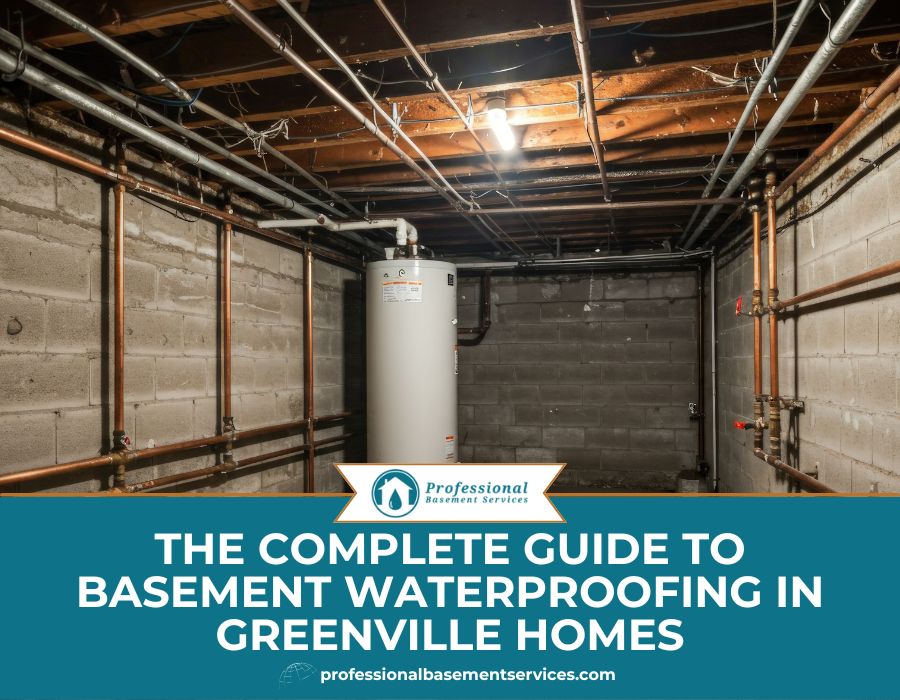
The Complete Guide to Basement Waterproofing in Greenville Homes
Basement Waterproofing in Greenville is essential for homeowners who want to maintain a dry, safe, and structurally sound home. Water intrusion in basements is a common problem in Greenville, especially during heavy rains, seasonal snowmelt, or periods of high humidity. Without proper attention, moisture can damage walls, floors, personal belongings, and even compromise your home’s foundation.
Understanding how to identify, prevent, and address basement water problems is key to long-term home protection. In this guide, we’ll explore 8 effective ways to stop water damage in Greenville basements and provide practical solutions to ensure your home stays dry year-round.
Why Basement Waterproofing in Greenville Is Important
Water entering the basement can lead to numerous problems for Greenville homeowners. Beyond cosmetic issues like stained walls and musty odors, unchecked moisture can cause:
- Mold and mildew growth
- Wood rot and structural damage
- Foundation weakening
- Damage to electronics, furniture, and stored items
- Decreased indoor air quality and health risks
Basement Waterproofing in Greenville is not just a maintenance task—it’s a proactive step that safeguards your investment and provides peace of mind. Proper waterproofing ensures that your basement remains a functional, dry, and safe part of your home.
1. Inspect Your Basement Regularly
Regular inspections are the first line of defense against basement water damage. Identify potential vulnerabilities such as cracks, damp spots, or discoloration on walls and floors.
- Check for small hairline cracks in the foundation
- Look for water stains or efflorescence (white powdery deposits)
- Monitor areas around windows, sump pits, and utility penetrations
By catching problems early, you can prevent minor issues from developing into major, expensive repairs. Regular inspection is a key step in any Basement Waterproofing in Greenville strategy.
2. Seal Foundation Cracks
Cracks in the foundation are a common entry point for water. Even small fissures can allow moisture to seep into your basement over time.
- Use hydraulic cement or specialized sealants to repair visible cracks
- For recurring leaks, consider professional crack injection solutions
- Maintain a regular inspection schedule to ensure new cracks are addressed promptly
Sealing foundation cracks is one of the most direct and effective ways to improve Basement Waterproofing in Greenville, reducing the risk of water intrusion and structural damage.
3. Improve Exterior Drainage
Water that accumulates near your home’s foundation significantly increases the risk of basement leaks. Proper exterior drainage helps divert water away from the basement walls.
- Ensure the soil slopes away from the foundation (at least 6 inches within the first 10 feet)
- Keep gutters clean and free of debris
- Extend downspouts at least 4–6 feet from the house
Effective exterior drainage is a simple yet powerful way to prevent water from entering your basement and supports overall Basement Waterproofing in Greenville efforts.
4. Install a Sump Pump System
Sump pumps are essential for managing water accumulation in basements, particularly in Greenville homes prone to heavy rainfall or high groundwater levels.
- Install a high-quality sump pump with a reliable discharge system
- Add a battery backup for power outages
- Perform routine testing and maintenance to ensure functionality
A properly installed sump pump protects your basement from sudden water accumulation, making it a cornerstone of any Basement Waterproofing in Greenville plan.
5. Consider Interior Drainage Systems
Interior drainage systems provide additional protection by channeling water that enters the basement to a sump pump. These systems are particularly useful for homes with persistent water issues or hydrostatic pressure concerns.
- Install perimeter drains along the base of foundation walls
- Connect to a sump pit for efficient water removal
- Regularly inspect for blockages or damage
Interior drainage systems work hand-in-hand with exterior waterproofing measures to create a comprehensive Basement Waterproofing in Greenville solution.
6. Control Basement Humidity
High humidity levels can lead to condensation on cool surfaces, creating an environment for mold and mildew growth. Controlling humidity is a key aspect of keeping your basement dry.
- Use a dehumidifier to maintain humidity levels between 30–50%
- Ensure proper ventilation by opening windows or using exhaust fans
- Seal leaks and gaps where humid air may enter
By keeping air moving and controlling moisture, homeowners can prevent long-term problems and enhance Basement Waterproofing in Greenville.
7. Waterproof Basement Walls
Applying waterproof coatings or membranes to basement walls adds an extra layer of protection against water intrusion.
- Use high-quality waterproof paints or liquid-applied membranes
- Focus on exterior walls that are most exposed to groundwater
- Reapply coatings as needed according to manufacturer guidelines
Waterproofed walls act as a barrier, significantly reducing the risk of water damage and contributing to a robust Basement Waterproofing in Greenville strategy.
8. Hire Professional Waterproofing Services
For extensive or recurring water problems, hiring a professional waterproofing service ensures that your basement receives the most effective treatment. Professionals can:
- Diagnose the source of water intrusion
- Install advanced drainage or sump pump systems
- Apply professional-grade waterproofing solutions
Engaging experts for Basement Waterproofing in Greenville provides peace of mind, ensures long-term effectiveness, and protects the value of your home.
Common Causes of Basement Water Damage in Greenville
Understanding the root causes of water damage helps homeowners prevent future issues. Common contributors in Greenville include:
- Heavy rainfall and snowmelt
- Improper grading or poor exterior drainage
- Foundation cracks or settling
- High groundwater levels
- Poorly maintained gutters and downspouts
Addressing these factors proactively can significantly reduce the risk of water-related problems and improve the effectiveness of your Basement Waterproofing in Greenville efforts.
Long-Term Benefits of Basement Waterproofing in Greenville
Investing in basement waterproofing provides multiple benefits for homeowners:
- Protects the foundation and structure of your home
- Prevents mold, mildew, and associated health issues
- Reduces repair costs by preventing extensive water damage
- Maintains property value
- Ensures a dry, usable living or storage space
Proper waterproofing enhances comfort, safety, and peace of mind for Greenville homeowners.
Preventative Tips for Greenville Homeowners
To maintain a dry basement year-round:
- Inspect your basement regularly for moisture and cracks
- Maintain gutters, downspouts, and exterior grading
- Monitor humidity levels and control condensation
- Address minor issues before they become major problems
- Consider periodic professional inspections
Proactive measures ensure lasting results and protect your investment through comprehensive Basement Waterproofing in Greenville.
Frequently Asked Questions
How do I know if my basement needs waterproofing in Greenville?
Signs include damp walls, musty odors, water stains, or persistent condensation.
Can I waterproof my basement myself?
DIY solutions are suitable for minor leaks, but professional services are recommended for significant or recurring issues.
What is the most effective basement waterproofing method?
A combination of exterior drainage, interior drainage, sump pumps, and wall waterproofing provides the most reliable results.
How much does basement waterproofing cost?
Costs vary depending on the size of your basement and the solutions required. Minor repairs are more affordable, while professional systems can be a larger investment.
How can I prevent future water damage?
Maintain proper drainage, control humidity, inspect regularly, and repair cracks promptly to protect your basement over time.