
How to Spot and Fix Foundation Cracks Before It’s Too Late
Foundation cracks are often silent threats, creeping into your home’s structure without obvious signs until serious damage occurs. From minor hairline fissures to large structural cracks, early detection and timely action are crucial to maintaining your home’s stability and safety.
Homeowners who know how to fix foundation cracks early not only protect their investment but also avoid expensive repairs, water damage, and mold problems. This ultimate guide provides practical insights into identifying, assessing, and repairing foundation cracks, as well as preventive measures to keep your home secure for years to come.
Understanding Foundation Cracks
Foundation cracks can range from minor cosmetic issues to serious structural problems. Before attempting any repairs, it’s important to understand the causes of these cracks and how they impact your home.
Common Causes of Foundation Cracks
- Soil Settling: Over time, the soil beneath your home may shift or compress, causing uneven stress on the foundation.
- Hydrostatic Pressure: Water buildup around the foundation exerts pressure that can force cracks to form.
- Temperature Fluctuations: Freeze-thaw cycles cause concrete and masonry to expand and contract, leading to cracks.
- Poor Construction: Substandard materials, inadequate curing, or insufficient reinforcement can contribute to early foundation cracks.
- Plumbing Leaks: Persistent water leaks from pipes can weaken the foundation over time.
By understanding these causes, homeowners can proactively prevent further damage and know when it’s time to fix foundation cracks professionally.
Types of Foundation Cracks
Not all cracks are equally serious. Recognizing the type of crack is the first step in deciding how to fix foundation cracks effectively.
Hairline Cracks
- Very narrow cracks caused by concrete shrinkage.
- Usually cosmetic but should be sealed to prevent moisture infiltration.
Vertical Cracks
- Often the result of settling soil or minor foundation movement.
- Narrow vertical cracks can often be repaired with sealants.
Horizontal Cracks
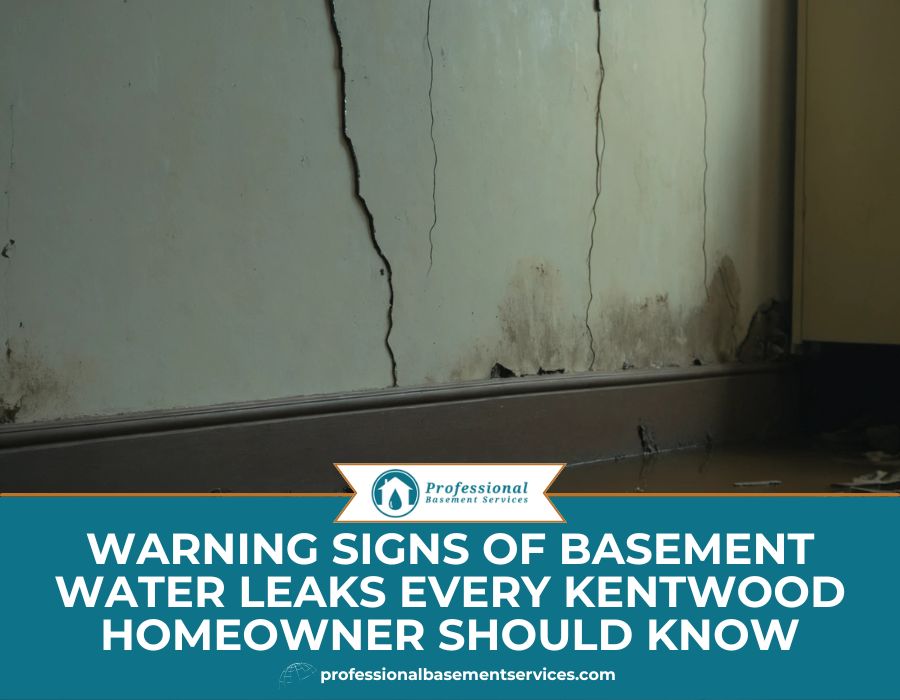
- Can indicate serious structural problems, often caused by hydrostatic pressure.
- Require immediate professional assessment to properly fix foundation cracks.
Stair-Step Cracks
- Appear in brick or block walls in a step pattern.
- Usually caused by foundation settling or shifting. Early intervention is key.
Diagonal Cracks
- Often occur in corners of walls and indicate uneven settlement.
- Should be monitored and repaired before further structural damage occurs.
Spotting Foundation Cracks Early
Early detection is the most effective way to reduce repair costs and prevent serious damage.
Signs to Look For
- Interior Indicators:
- Cracks in walls, ceilings, or floors
- Doors and windows that stick or fail to close properly
- Uneven or sloping floors
- Gaps between walls and ceilings
- Exterior Indicators:
- Visible foundation cracks
- Bowing or leaning walls
- Separation between bricks or siding
- Water pooling near the foundation
By inspecting your home twice a year, especially in spring and fall, you can catch foundation cracks early and take steps to fix foundation cracks before they worsen.
When to Be Concerned
While some cracks are harmless, certain signs indicate urgent attention is needed:
- Cracks wider than 1/4 inch
- Horizontal cracks or cracks running across large portions of the wall
- Cracks that grow over time
- Multiple cracks appearing suddenly
- Water seeping through cracks
Ignoring these warning signs can result in costly structural damage, mold growth, and decreased property value. Acting early allows homeowners to fix foundation cracks before they escalate.
How to Fix Foundation Cracks
Repair methods depend on the crack type and severity. Here’s a breakdown:
Minor Cracks
- Sealants or Epoxy: Use a high-quality concrete sealant or epoxy to fill hairline cracks and prevent water infiltration.
- Monitoring: Mark the crack and track its size over time to ensure stability.
Moderate Cracks
- Polyurethane or Epoxy Injections: Ideal for cracks that are prone to water leaks. These flexible materials fill the crack while accommodating minor foundation movement.
- Reinforcement: Some moderate cracks may benefit from wall anchors or additional support to prevent widening.
Major Structural Cracks
- Professional Assessment: A structural engineer can evaluate the foundation and recommend solutions like underpinning, hydraulic lifting, or comprehensive structural repairs.
- Comprehensive Repairs: For horizontal cracks or large, shifting cracks, professional intervention ensures long-term stability and proper fix foundation cracks solutions.
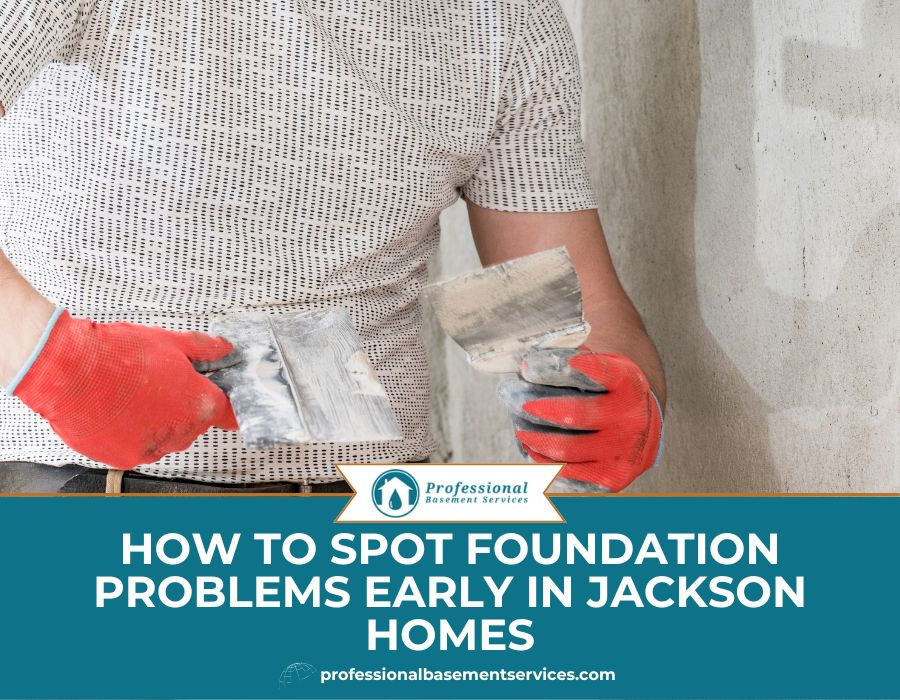
DIY Tips to Fix Foundation Cracks
Homeowners can tackle small cracks with these DIY methods:
- Clean the Crack: Remove dust, debris, and loose material.
- Inject Epoxy or Polyurethane: Fill the crack completely to seal against water.
- Apply Surface Sealant: Use waterproof paint or sealant on walls to provide an extra barrier.
- Maintain Indoor Humidity: Reduce condensation and mold risk with dehumidifiers.
- Improve Drainage: Ensure water flows away from your foundation to prevent future cracking.
Even with DIY repairs, monitor the area regularly to ensure the crack doesn’t reappear.
Preventative Measures
Preventing foundation cracks is just as important as fixing them.
Improve Drainage
- Ensure gutters are clean and downspouts extend at least 4–6 feet from the foundation.
- Regrade areas where water tends to pool to divert moisture away.
Maintain Soil Moisture
- Keep soil consistently moist to reduce expansion and contraction, especially for clay-heavy soils.
Install a French Drain
- Diverts water away from your foundation and reduces hydrostatic pressure.
Regular Foundation Inspections
- Identify cracks early before they develop into significant structural problems.
Landscaping Considerations
- Avoid planting large trees or shrubs too close to your foundation, as roots can exert pressure and cause cracking.
Hiring Professionals
While DIY methods work for minor cracks, professional assistance is necessary for larger or structural cracks.
Choosing the Right Professional
- Experience in foundation repair
- Proper licensing and insurance
- Positive reviews and references
- Warranty or guarantee on repairs
Professionals can implement advanced solutions like hydraulic lifting, wall anchors, or underpinning, ensuring a durable solution to fix foundation cracks permanently.
The Cost of Ignoring Foundation Cracks
Neglecting cracks can result in:
- Expensive structural repairs
- Water intrusion and mold problems
- Decreased home value
- Unsafe living conditions
The longer you wait, the higher the repair costs. Addressing cracks early is the most cost-effective approach.
Long-Term Benefits of Fixing Foundation Cracks
- Preserves Structural Integrity: Avoids major foundation damage.
- Prevents Water and Mold Damage: Reduces risk of health hazards.
- Maintains Property Value: Protects your home’s resale potential.
- Reduces Long-Term Costs: Early repairs are far cheaper than emergency structural fixes.
Investing in early crack repair ensures peace of mind and a safe home environment.
Conclusion
Foundation cracks are more than cosmetic concerns—they can signal serious structural threats. Homeowners who know how to identify and fix foundation cracks early can prevent costly damage, protect their family’s health, and maintain their home’s value.
Proactive inspections, DIY fixes for minor cracks, and professional repairs for major issues are key to keeping your foundation strong. Don’t wait for small cracks to escalate—take action today to safeguard your home and investment.
FAQs
Q: Are all foundation cracks dangerous?
A: No, but monitoring is essential. Persistent or widening cracks should be addressed promptly to fix foundation cracks.
Q: Can I repair foundation cracks myself?
A: Minor hairline cracks can be repaired with sealants and epoxy, but large structural cracks require professional assessment.
Q: How much does it cost to fix foundation cracks?
A: Costs vary depending on severity, but early repairs are much more affordable than emergency structural fixes.
Q: How often should I inspect my foundation?
A: Inspect your foundation at least twice a year, in spring and fall, and after severe weather events.
Q: How long will repairs last after I fix foundation cracks?
A: Properly executed repairs, combined with preventive measures, can last decades.
Q: Can preventing water buildup reduce foundation cracks?
A: Yes. Proper drainage, grading, and gutter maintenance help prevent hydrostatic pressure that leads to cracks.