The Ultimate Guide to Basement Waterproofing
Guide to basement waterproofing is essential for homeowners who want to protect their property from water damage, structural issues, and costly repairs. Water intrusion in the basement is one of the most common problems homeowners face, especially in areas with heavy rainfall or high groundwater levels.
Even small leaks or moisture buildup can quickly turn into major issues if left untreated. Over time, water can weaken your home’s foundation, encourage mold growth, and damage valuable belongings. By following a complete guide to basement waterproofing, you can take proactive steps to keep your basement dry and your home safe.
This comprehensive resource will walk you through everything you need to know, from identifying problems to choosing the best solutions for long-term protection.
Understanding Basement Waterproofing
A proper guide to basement waterproofing starts with understanding how water enters your home. Basements are naturally vulnerable because they are below ground level, where soil absorbs and holds water. This creates pressure that pushes moisture toward your foundation.
Water can enter through:
- Cracks in foundation walls or floors
- Porous concrete surfaces
- Improper drainage systems
- Gaps around windows or doors
An effective guide to basement waterproofing focuses on both prevention and control, ensuring that water is stopped before it enters and properly managed if it does.
Why You Need a Guide to Basement Waterproofing
Prevents Mold Growth
Moist environments are ideal for mold and mildew. These contaminants can spread quickly and impact indoor air quality throughout your home.
Following a reliable guide to basement waterproofing helps eliminate excess moisture, reducing the risk of mold growth and protecting your family’s health.
Protects Structural Integrity
Water damage is one of the leading causes of foundation problems. Over time, moisture can weaken concrete and lead to cracks or shifting.
A well-planned guide to basement waterproofing ensures your home’s structure remains strong and stable.
Increases Usable Space
A dry basement can be converted into a functional living area such as a home office, gym, or entertainment room.
Using a complete guide to basement waterproofing allows you to maximize your home’s usable space.
Improves Energy Efficiency
Moisture increases indoor humidity, forcing HVAC systems to work harder. This leads to higher energy costs.
Proper waterproofing helps regulate humidity levels and improve overall energy efficiency.
Assessing Your Basement’s Waterproofing Needs
Before applying solutions, it’s important to evaluate your basement’s condition. A thorough inspection is a key step in any guide to basement waterproofing.
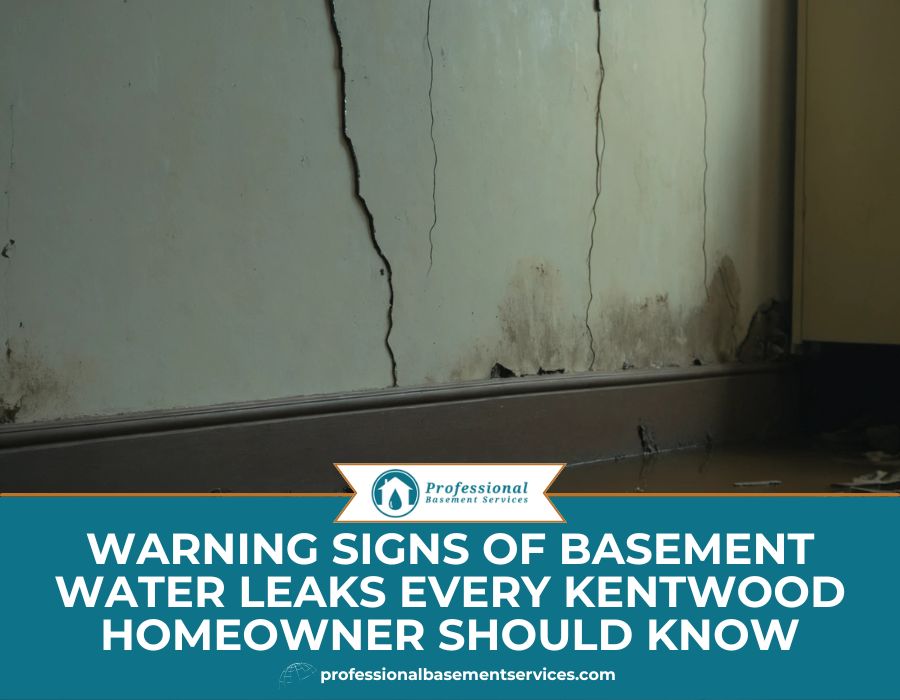
Signs of Water Problems:
- Damp or wet floors
- Musty odors
- Visible mold or mildew
- Water stains or discoloration
- Efflorescence on walls
Identifying these signs early allows you to apply the right waterproofing methods before the problem worsens.
External Strategies in a Guide to Basement Waterproofing
External solutions are your first line of defense against water intrusion.
1. Gutters and Downspouts
Gutters and downspouts are essential components in any guide to basement waterproofing. They direct rainwater away from your home and prevent pooling near the foundation.
Make sure to:
- Clean gutters regularly
- Extend downspouts several feet away
- Repair any leaks or blockages
2. Proper Grading
The slope of the ground around your home should direct water away from the foundation. Poor grading allows water to collect and seep into your basement.
Correct grading is a simple but effective step in this guide to basement waterproofing.
3. Exterior Waterproofing Membranes
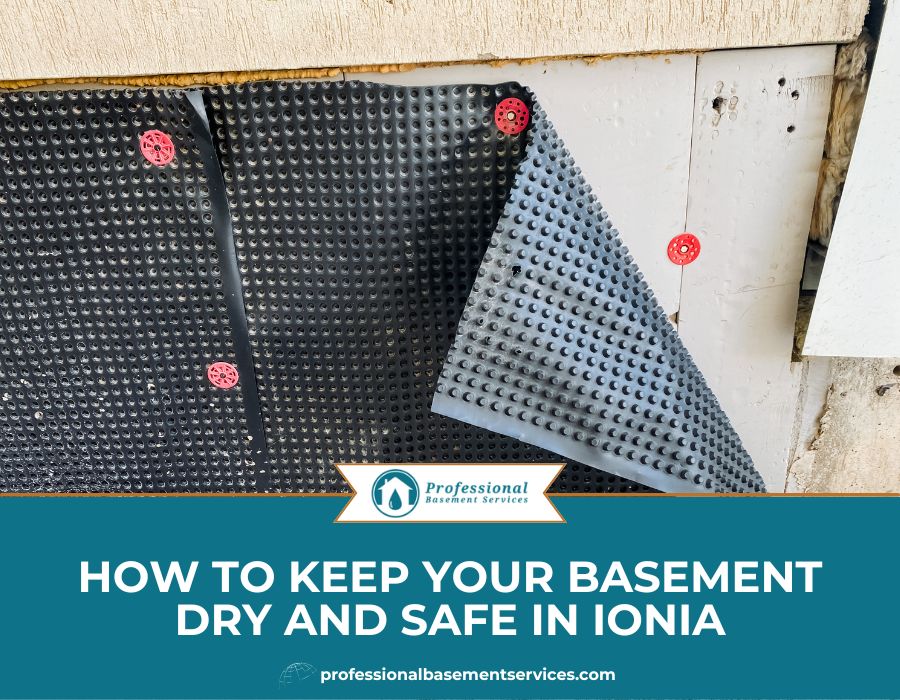
Applying waterproof membranes to the exterior walls creates a barrier that prevents moisture from entering your basement.
This is one of the most reliable long-term solutions included in a complete guide to basement waterproofing.
4. Foundation Drainage Systems
Installing drainage systems like French drains helps redirect water away from your home. These systems reduce pressure on your foundation and improve protection.
Internal Solutions in a Guide to Basement Waterproofing
Internal waterproofing methods help manage water that enters your basement.
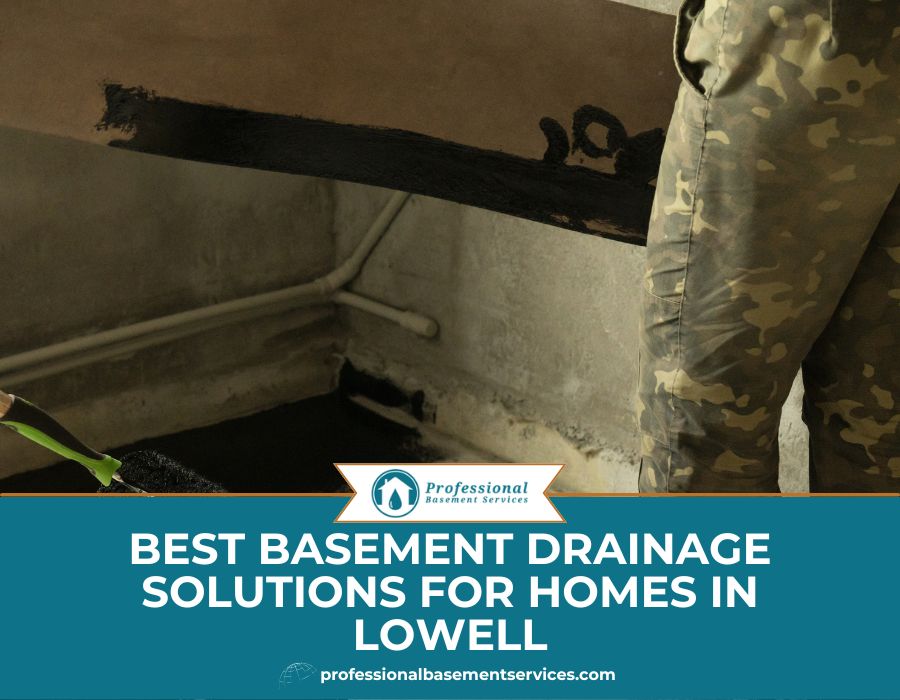
1. Sealants and Epoxy Injections
Sealants are used for minor cracks, while epoxy injections are ideal for larger openings. These methods help prevent water from entering.
2. Interior Drainage Systems
Interior drainage systems collect water and direct it to a sump pump. This is a key feature in any effective guide to basement waterproofing.
3. Sump Pumps
A sump pump removes water from your basement and prevents flooding.
For best results:
- Test regularly
- Install a backup system
- Ensure proper drainage
4. Dehumidifiers
Controlling humidity is an important part of any guide to basement waterproofing. Dehumidifiers help reduce moisture and prevent mold growth.
Choosing the Right Basement Waterproofing Solution
Every home is different, so choosing the right approach depends on your specific conditions.
A complete guide to basement waterproofing recommends combining both exterior and interior solutions for maximum effectiveness.
Factors to consider include:
- Soil type
- Climate conditions
- Foundation structure
- Severity of water issues
A customized approach ensures long-term protection and prevents recurring problems.
When to Call a Professional
While some tasks can be handled on your own, certain situations require expert help.
Call a professional if you notice:
- Persistent leaks
- Large foundation cracks
- Structural damage
- Severe mold growth
Professional services ensure your guide to basement waterproofing is properly implemented with long-lasting results.
Preventative Maintenance Tips
Maintenance is a crucial part of keeping your basement dry.
Follow these tips:
- Clean gutters regularly
- Inspect basement walls and floors
- Monitor humidity levels
- Test sump pumps
These steps support your overall waterproofing system and reduce the risk of future issues.
Long-Term Benefits of Basement Waterproofing
Following a proper guide to basement waterproofing provides lasting benefits:
- Increased property value
- Reduced repair costs
- Improved air quality
- Expanded living space
These advantages make waterproofing a valuable investment for homeowners.
Conclusion
A complete guide to basement waterproofing is essential for protecting your home from water damage and costly repairs. By understanding how water enters your basement and applying the right solutions, you can maintain a dry, safe, and comfortable living space.
Taking proactive steps today helps prevent future problems and ensures your home remains structurally sound for years to come. Whether you handle minor fixes yourself or hire professionals, following a reliable waterproofing strategy is one of the smartest decisions you can make.
FAQs
Q: How often should I inspect my basement for moisture?
A: It’s recommended to inspect your basement at least twice a year as part of your guide to basement waterproofing routine.
Q: Can basement waterproofing increase home value?
A: Yes, following a proper guide to basement waterproofing can improve your home’s value and appeal to buyers.
Q: Is basement waterproofing worth the cost?
A: Absolutely. A good guide to basement waterproofing helps prevent expensive repairs and long-term damage.
Q: What is the most effective waterproofing method?
A: A combination of interior and exterior solutions is often recommended in any guide to basement waterproofing.
Q: How long does waterproofing last?
A: With proper maintenance, systems outlined in a guide to basement waterproofing can last many years.