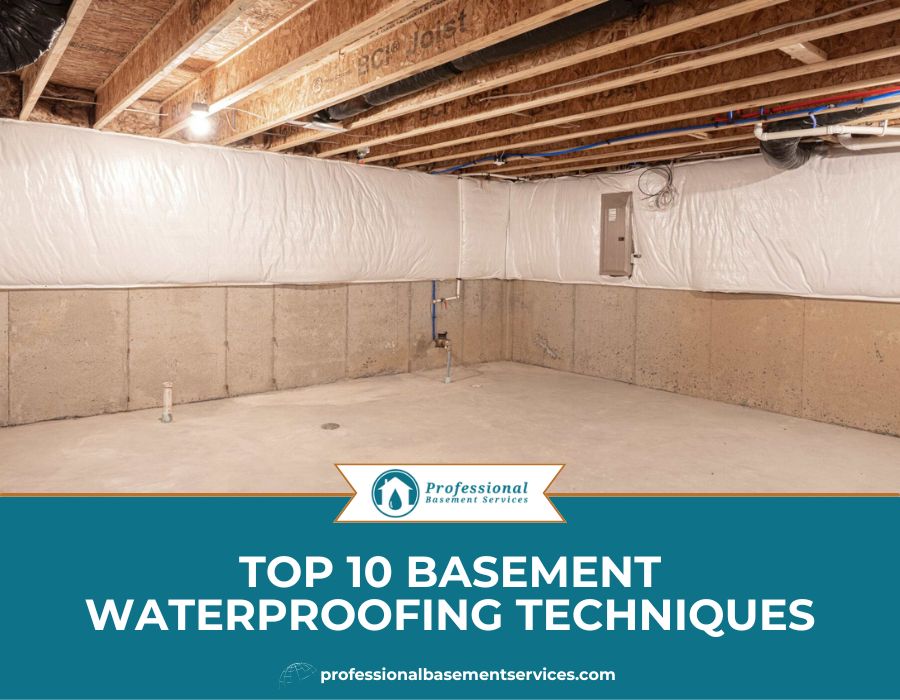
Basement Waterproofing Techniques: Top 10 Methods to Keep Your Basement Dry and Safe
Basement waterproofing techniques are essential for homeowners looking to protect their property from water damage, mold, and structural issues. A wet basement not only reduces usable living space but can also lead to costly repairs, compromise indoor air quality, and even cause long-term health concerns.
With many waterproofing methods available today, choosing the most effective combination is key. The right basement waterproofing techniques ensure a dry, safe, and comfortable home while protecting your investment.
This guide will explore the top 10 basement waterproofing techniques and explain why each is critical for homeowners.
1. Interior Sealants
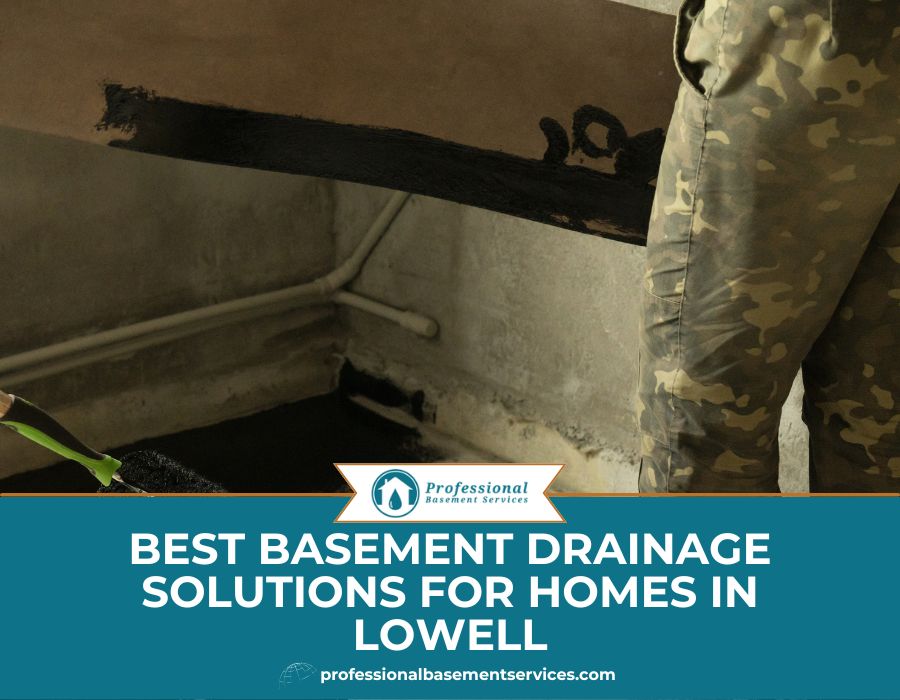
Interior sealants are often the first line of defense against water entering your basement. These products are applied directly to walls, floors, and foundation surfaces to create a moisture-resistant barrier.
Common types of interior sealants include:
- Waterproof paints: Simple to apply and prevent minor leaks and condensation.
- Epoxy coatings: Durable, ideal for moderate moisture exposure, and often used on basement floors.
- Polyurethane sealers: Flexible, accommodating small foundation shifts while keeping water out.
Professional application of interior sealants is essential. When applied correctly, they form a long-lasting protective layer that addresses visible leaks and prevents water from seeping through porous basement walls. Interior sealants are among the most accessible and cost-effective basement waterproofing techniques, especially when combined with drainage and sump systems.
2. Interior Drainage Systems
Interior drainage systems manage water that has already entered your basement, preventing pooling and structural pressure. A popular solution is a perimeter French drain, which channels water along the edges of basement floors.
These systems work by:
- Capturing water that seeps through walls or floors
- Redirecting it to a sump pump
- Safely expelling it outside the foundation
The benefits of interior drainage systems include reducing hydrostatic pressure, protecting finished basement areas, and minimizing damage to belongings. When integrated with other basement waterproofing techniques, interior drainage provides a reliable foundation for long-term water management.
3. Sump Pumps
Sump pumps are essential for removing water from your basement automatically. Installed in a sump pit at the lowest point, they pump accumulated water outside the foundation.
Advantages of sump pumps include:
- Automatic operation during heavy rain or flooding
- Battery backup systems for power outages
- Prevention of flooding in finished or storage areas
Combined with interior drainage systems, sump pumps are one of the most effective basement waterproofing techniques, ensuring your basement remains dry even during severe weather events.
4. Exterior Waterproofing
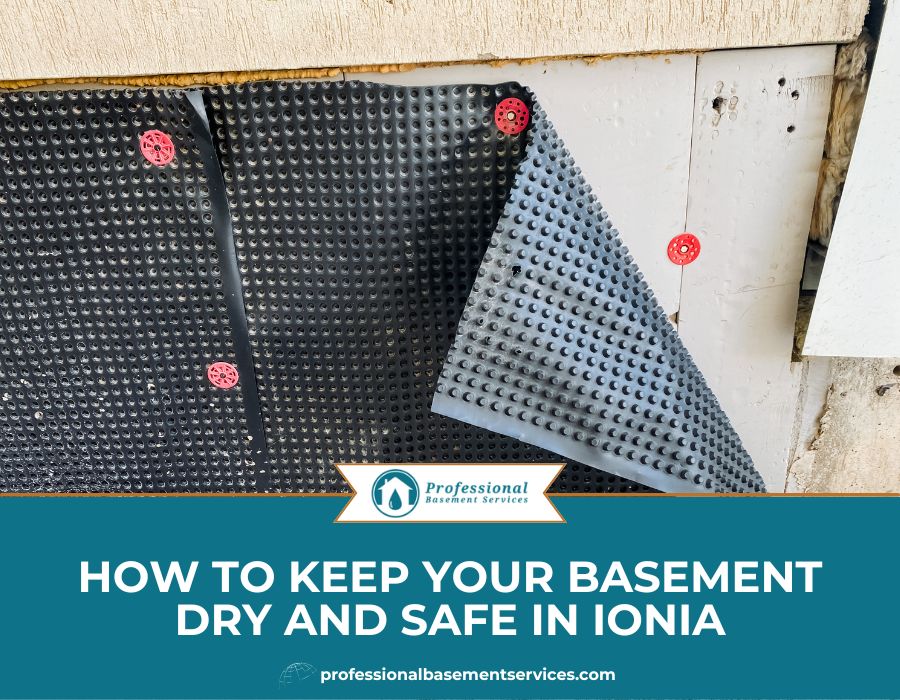
Exterior waterproofing prevents water from ever reaching your basement walls. It typically involves applying waterproof membranes or coatings to the exterior foundation.
The process usually includes:
- Excavating soil around the foundation
- Applying a waterproof membrane or coating
- Installing an exterior drainage system to channel water away
Though more labor-intensive and costly, exterior waterproofing is a long-term solution that protects your basement from infiltration, cracks, and mold growth. It is an essential component of professional basement waterproofing techniques for homes in areas prone to heavy rainfall or high water tables.
5. Exterior Drainage Systems
Proper exterior drainage helps prevent water from pooling around your home. Common methods include:
- French drains along the perimeter
- Downspout extensions to carry water away from the foundation
- Grading soil to slope away from the basement walls
Well-designed exterior drainage reduces basement leaks, complements interior systems, and helps maintain a dry foundation year-round. Homeowners using multiple basement waterproofing techniques often prioritize exterior drainage to prevent future water problems.
6. Foundation Crack Injections
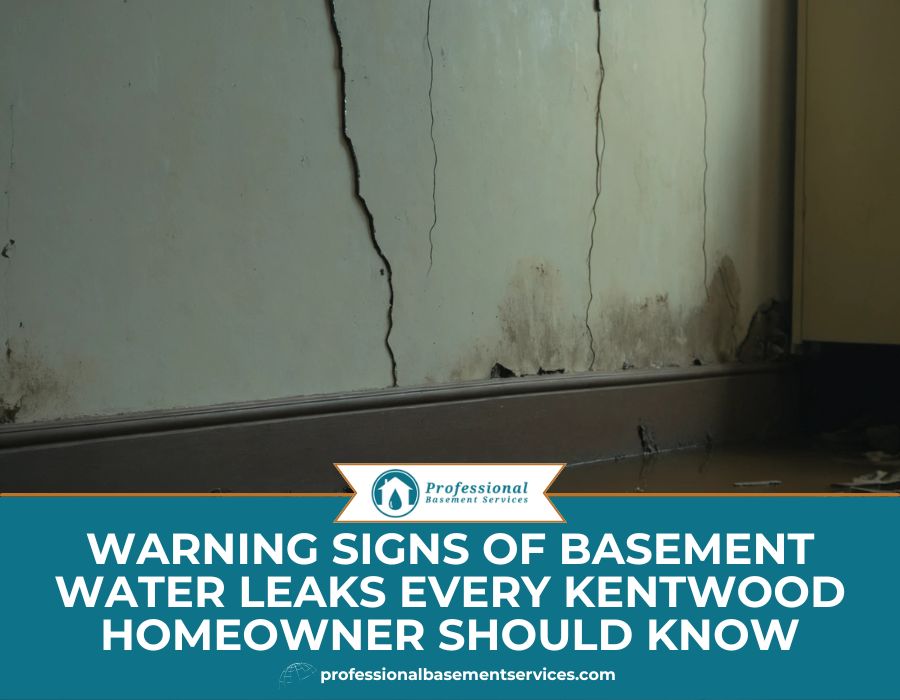
Foundation cracks are one of the most common causes of basement leaks. Unaddressed cracks can lead to structural issues and serious water damage.
Injection methods include:
- Epoxy injections: Ideal for structural repairs; provide permanent sealing
- Polyurethane injections: Flexible; ideal for cracks that shift due to soil movement
These injections seal cracks at their source, preventing water from entering and causing damage. Among the many basement waterproofing techniques, foundation crack injections are highly effective for long-term protection.
7. Crawl Space Encapsulation
Crawl spaces can introduce unwanted moisture into basements and homes. Encapsulation involves sealing the crawl space with a vapor barrier, blocking moisture from the ground.
Benefits include:
- Lower humidity levels in the basement and home
- Reduced mold and mildew risk
- Improved indoor air quality and energy efficiency
When combined with interior sealants and drainage systems, crawl space encapsulation strengthens your suite of basement waterproofing techniques and contributes to a healthier home environment.
8. Basement Ventilation
Good ventilation reduces humidity and condensation, preventing mold growth and water damage. Solutions include:
- Installing dehumidifiers to remove excess moisture
- Adding exhaust fans for improved airflow
- Ensuring proper circulation throughout the basement
Ventilation is especially important in finished basements or areas used as living space. Proper air movement complements other basement waterproofing techniques, enhancing their effectiveness and extending the life of finishes, flooring, and stored items.
9. Gutter and Downspout Maintenance
Functional gutters and downspouts direct water away from the foundation, reducing basement water problems. Regular maintenance is critical:
- Cleaning gutters to remove leaves and debris
- Repairing damage to prevent leaks
- Adding extensions to channel water farther from the home
Well-maintained gutters and downspouts improve the efficiency of exterior drainage systems and interior waterproofing methods. They are a simple but essential component of basement waterproofing techniques.
10. Landscaping Solutions
Landscaping can play a surprising but significant role in basement protection. Proper grading and plant placement help direct water away from the foundation.
Key strategies include:
- Sloping soil away from foundation walls
- Installing water-absorbing plants and vegetation
- Creating rain gardens or swales to capture and redirect water
When paired with other basement waterproofing techniques, effective landscaping minimizes water intrusion, protects your foundation, and contributes to a dry, safe basement.
Choosing the Right Basement Waterproofing Techniques
Selecting the right combination of methods depends on:
- Soil type and natural drainage around your home
- Local rainfall patterns and water table levels
- Existing issues like foundation cracks or mold
- Foundation type and home construction style
Professional contractors can assess your home’s needs and recommend the most suitable basement waterproofing techniques, providing long-term protection and peace of mind.
Benefits of Combining Multiple Techniques
Relying on a single method may not fully protect your basement. Combining techniques creates a multi-layered defense:
- Sealants, drainage systems, sump pumps, and exterior waterproofing
- Protection from both interior and exterior water intrusion
- Reduced long-term repair costs
A strategic combination of basement waterproofing techniques ensures comprehensive moisture control and long-lasting protection.
Long-Term Advantages
Investing in basement waterproofing techniques provides significant long-term benefits:
- Reduced repair and maintenance costs
- Preserved structural integrity
- Improved indoor air quality and overall home health
- Increased usable living space
- Enhanced property value and resale appeal
Homeowners who implement these techniques enjoy safer, drier basements and healthier, more comfortable homes.
Conclusion
Basement waterproofing techniques are essential for protecting your property, preventing costly repairs, and maintaining a healthy indoor environment. From interior sealants and drainage systems to exterior waterproofing and landscaping, these top 10 methods offer comprehensive protection against water damage.
Taking action now with the right combination of basement waterproofing techniques ensures your basement remains dry, safe, and usable for years to come.